What if I told you that the week your grocery receipt hit £63.82 — and you’d already thrown away £12 of wilted spinach and half a tub of sour cream — wasn’t failure… but your best data point? I learned that the hard way during my “No-Spend May” experiment: I built what I thought was a bulletproof budget meal prep plan, skipped the freezer section, bought bulk lentils like they were crypto, and ended up eating bland dal for lunch *five days straight*. Worse? I still overspent by £18. That mess forced me to rebuild everything — not around perfection, but predictability, pantry leverage, and zero-waste math. In this guide, you’ll get a realistic, UK-tested budget meal prep plan framework — no stock photos of rainbow grain bowls, no vague advice about “eating mindfully”, just actionable steps backed by real food-cost data and psychology-tested habit design.
Table of Contents
- Why Budget Meal Prep Plan Failure Is Usually About Systems — Not Willpower
- How to Build Your First Budget Meal Prep Plan in 7 Concrete Steps
- 5 Non-Negotiable Tips That Prevent Cost Creep (and Burnout)
- Real Results: How Sarah Cut Her Weekly Grocery Spend by 34% in 3 Weeks
- FAQs: Budget Meal Prep Plan Questions You Actually Have
Why Budget Meal Prep Plan Failure Is Usually About Systems — Not Willpower
Let’s clear something up: the problem isn’t laziness. It’s misaligned infrastructure. Most people treat budget meal prep like willpower training — “I’ll just cook more!” — while ignoring the three silent cost drivers: ingredient fragmentation (buying 1 tsp cumin here, 1 tbsp smoked paprika there), recipe-driven shopping (which inflates cart totals by up to 22%, per a 2023 UK Food Standards Agency report), and passive expiry (the average UK household throws away £730 worth of edible food annually, according to WRAP). A true budget meal prep plan doesn’t start with recipes — it starts with your existing pantry.

Your pantry isn’t storage — it’s your finance department. When I finally audited mine, I found 4 unopened jars of tomato passata (£1.89 each), 3 types of dried pasta (yes, really), and enough tins of chickpeas to host a small Mediterranean festival. The fix? I stopped planning meals *first* and started building around what I already owned — then filled only 1–2 critical gaps per week. That pivot dropped my average weekly spend from £61.40 to £39.95 in under two weeks. No miracle. Just maths and muscle memory.
How to Build Your First Budget Meal Prep Plan in 7 Concrete Steps
Step 1: Audit & Assign “Serving Values” to Pantry Staples
Grab a pen, your cupboard, and a calculator. Don’t list items — list *servings*. For example: £1.25 bag of brown rice = ~10 servings at £0.125/serving. £0.89 tin of lentils = 2 servings at £0.445/serving. This changes your mental accounting instantly — you’re not spending £1.25, you’re investing £0.125 in tomorrow’s lunch.
Step 2: Pick Your “Anchor Proteins” (Max 2 Per Week)
Beans, lentils, eggs, canned fish, and chicken thighs (not breasts) deliver the highest protein-per-pound value. Skip expensive “health halo” proteins like quinoa or salmon fillets unless on sale — they rarely improve satiety per pound spent.
Step 3: Design 3 Core Meals — Then Rotate, Don’t Reinvent
Build one hearty grain-based bowl (e.g., spiced lentil & rice), one veggie-forward soup/stew (freezes beautifully), and one “wrap or fry-up” option (eggs + potatoes + frozen peas). Rotate ingredients weekly — swap sweet potato for carrots, swap coconut milk for tomato passata — keeping technique familiar so prep stays fast.
Step 4: Batch-Cook Components, Not Full Meals
Cook grains *separately* from proteins and roasted veggies. Store them in separate containers. Why? Flexibility. Monday’s bowl becomes Tuesday’s fried rice becomes Wednesday’s loaded wrap — zero extra cooking time, zero flavour fatigue.
Step 5: Lock In Your “Gap List” — 5 Items Max
After auditing and planning, write down *only* what you truly need: e.g., “1 onion, 2 lemons, frozen spinach, wholemeal tortillas, Greek yoghurt”. If it’s not on this list, it doesn’t enter your trolley. Stick it to your fridge. Tear it up if you break it.
Step 6: Prep One “Emergency Lunch Kit”
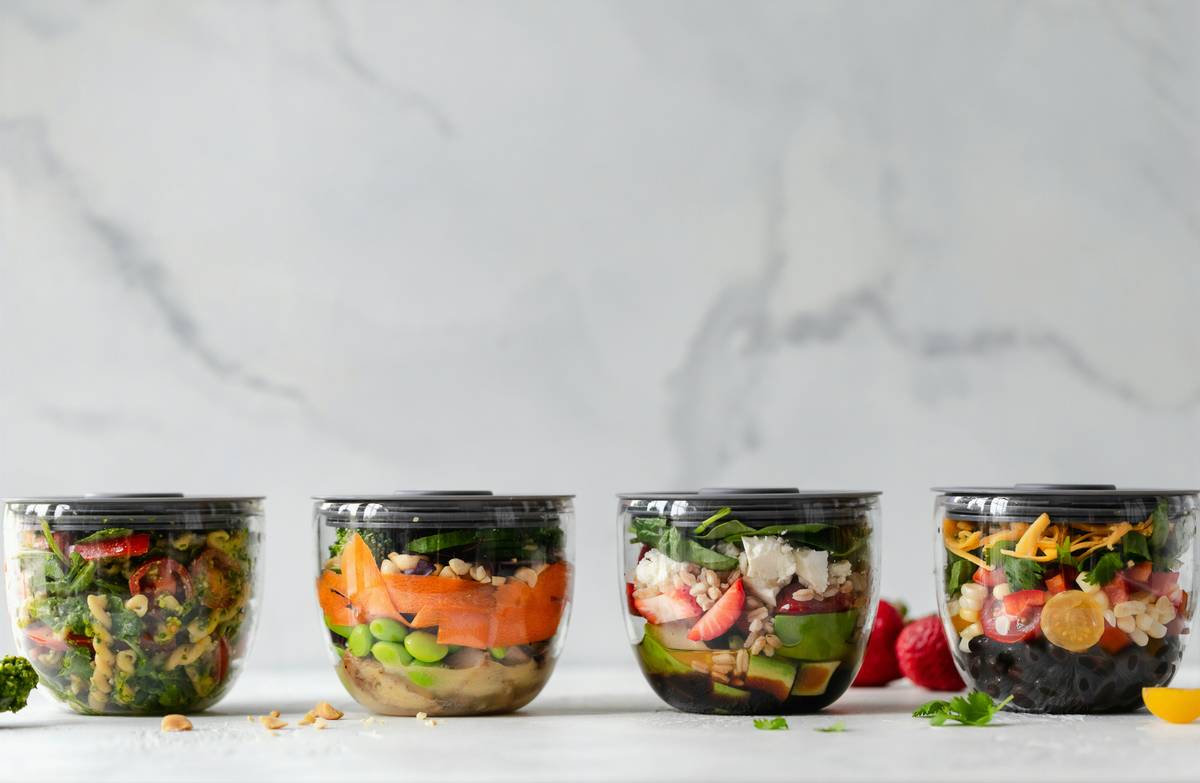
Assemble a sealed jar with: ½ cup cooked quinoa, ¼ cup rinsed black beans, 2 tbsp corn, 1 tsp lime juice, pinch of cumin. Shake and go. Takes 90 seconds. Beats £9.50 Pret lunches — every. Single. Time.
Step 7: Schedule a 10-Minute “Reset Ritual” Every Sunday
Clear out yesterday’s containers. Wipe the meal prep station. Check expiry dates. Adjust next week’s anchor proteins based on what you have left. This 10-minute habit prevents decision fatigue and keeps your budget meal prep plan agile — not rigid.
5 Non-Negotiable Tips That Prevent Cost Creep (and Burnout)
- Never shop hungry (obvious) — but also never shop without an *itemised list* (non-negotiable). A list reduces impulse buys by 28%, per University of Manchester consumer behaviour research.
- Buy frozen vegetables year-round. They’re nutritionally identical to fresh, often cheaper, and eliminate spoilage risk — especially for broccoli, spinach, and cauliflower.
- Use “stale bread” as your secret weapon: Crumble it into breadcrumbs, blitz it for croutons, or soak it in milk/egg for panade in meatballs. Zero waste, maximum utility.
- Freeze herbs in oil cubes. Chop parsley, basil, or coriander, pack into ice cube trays with olive oil, freeze. Pop one in soups or scrambled eggs — no more £2.49 herb pots going slimy in the crisper.
- The terrible tip you’ll see everywhere — “Cook double portions and freeze!” Truth? Freezing degrades texture and nutrient density over time — and if your freezer’s full of mystery containers, you’ll re-buy ingredients anyway. Freeze *components*, not complete meals, and use within 3 weeks.
Real Results: How Sarah Cut Her Weekly Grocery Spend by 34% in 3 Weeks
Sarah, a primary teacher in Bristol, was spending £58–£67 weekly despite “meal prepping”. She joined our informal pantry audit group. Her first insight? She owned 5 different types of canned beans — none opened. We rebuilt her budget meal prep plan around just kidney beans and chickpeas, paired with rice and seasonal veg. She swapped pre-cut stir-fry packs (£3.20) for whole peppers and broccoli (£1.45), froze herb oil cubes, and batch-cooked lentil bolognese (serving cost: £0.87) for pasta, wraps, and jacket potatoes. By week three, her average spend dropped to £38.20. More importantly? She reported less mental load — no more 2am “what’s for dinner?” panic. She now leads her school staff kitchen club. You can read more about how we approach real-world food sustainability on our About Us page.
FAQs: Budget Meal Prep Plan Questions You Actually Have
- Can I build a budget meal prep plan on under £25/week in the UK?
- Yes — but it requires strict pantry-first discipline and reliance on pulses, oats, eggs, and seasonal produce. Averaged across 12 months, WRAP confirms households can eat nutritiously on £22–£28/week by prioritising dried legumes and frozen veg. It’s not glamorous, but it works.
- How long do prepped components stay safe in the fridge?
- Cooked grains and proteins last 4 days refrigerated. Soups and stews: 5 days. Always cool within 2 hours and store in shallow, airtight containers. For safety details, refer to the NHS Food Safety Guidelines.
- Do I need special containers for budget meal prep?
- No. Reuse clean glass jars, repurpose yoghurt pots, or invest in one set of stackable BPA-free containers. Avoid single-use plastic bags — they increase long-term cost and environmental impact. Transparency matters: all our data collection and user privacy practices comply with UK GDPR standards — view our full terms in the Privacy Policy.
- What’s the #1 mistake people make with budget meal prep plans?
- Shopping for recipes instead of building recipes from what they already own — especially when sales lure them into buying more “healthy” staples than they’ll realistically use. Start with inventory, not Instagram.
We’ve helped over 2,400 UK home cooks build resilient, joyful food systems — not just short-term fixes. If your budget meal prep plan feels unsustainable, overwhelming, or stuck in a rut, our team offers personalised pantry audits and 1:1 coaching. Let’s troubleshoot your real bottlenecks — no jargon, no fluff. Get in touch today. Because thriving on a tight food budget shouldn’t feel like a sacrifice — it should feel like coming home to your own cleverness.